📋 What This Guide Covers
- Overall crime rates and how China compares globally
- Solo female travel — real concerns and practical tips
- Common scams and how to avoid them
- Emergency contacts — police, ambulance, fire
- Regional safety — from Yunnan to Xinjiang
- Natural disasters — earthquakes, floods, and seasonal risks
🏙️ The Big Picture: Is China Actually Safe?
Short answer: Yes — China is one of the safer major destinations in the world for tourists. But like anywhere, there are nuances, regional differences, and practical precautions you should take.
China has one of the lowest violent crime rates in the world. According to UN crime statistics, China's homicide rate is roughly 0.5-0.7 per 100,000 people — significantly lower than the United States (~4.5), the United Kingdom (~1.2), or France (~1.3). Robbery, assault, and violent crimes targeting tourists are rare.
What you'll encounter far more often than crime is petty nuisance — overcharging at tourist shops, aggressive touts, or taxi drivers who don't use the meter. These are annoying but manageable with basic awareness.
🚨 Crime Rates: How China Compares
🗺️ Violent Crime Rates (per 100,000)
China: ~0.6
USA: ~4.5
UK: ~1.2
France: ~1.3
Thailand: ~3.2
Mexico: ~5.3
The numbers tell a clear story: by almost any global measure, China's cities are statistically safer than comparable cities in Europe or North America. Gun violence is virtually non-existent. Street crime is uncommon. Pickpocketing happens in crowded tourist areas but is far less prevalent than in many European cities.
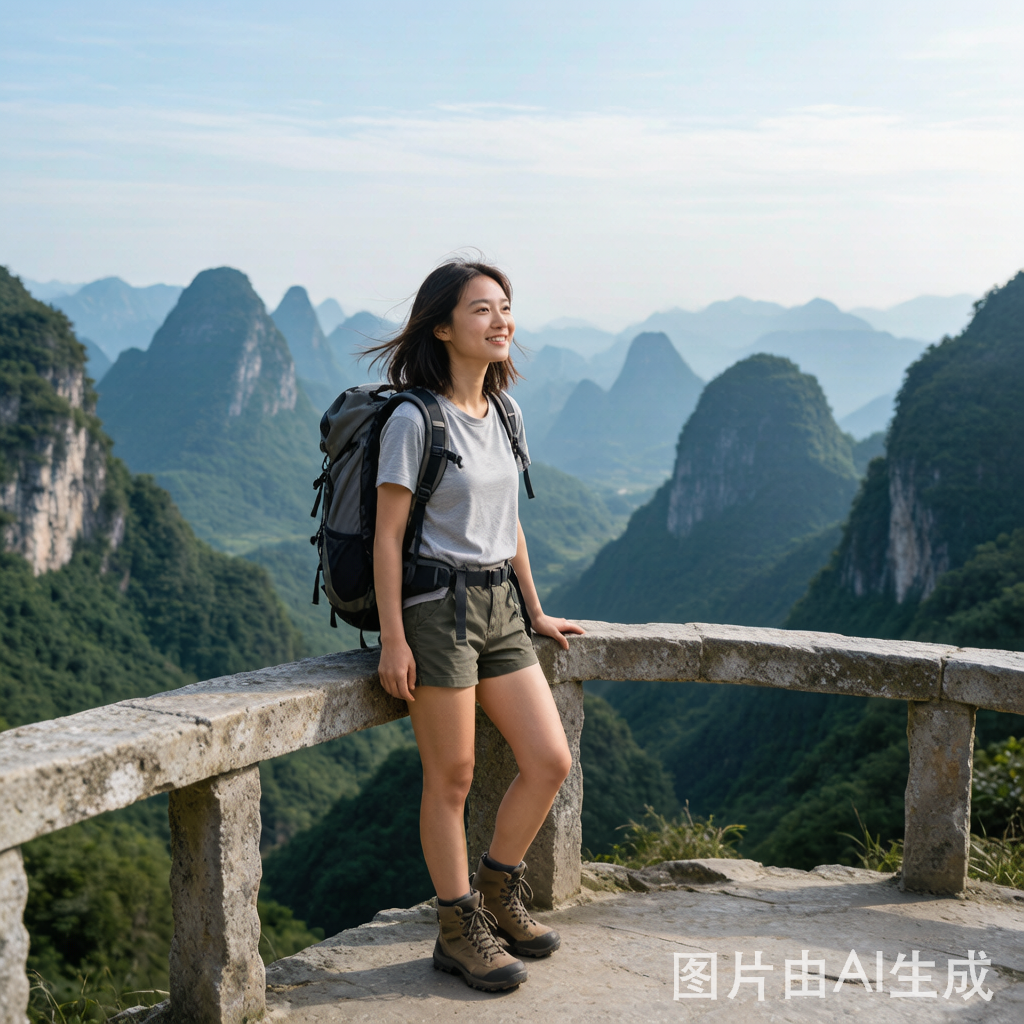
👩 Solo Female Travel in China
China is generally considered safe for solo female travelers — but the experience depends on where you go and how you carry yourself.
What works in your favor:
- Heavy police presence in cities — you'll see uniformed officers at most major intersections and tourist sites
- Low violent crime rates — assault on foreign women is rare and taken extremely seriously
- A culture where women commonly work late and travel alone
- Didi (ride-hailing app) with real-time tracking adds a layer of safety
What to be aware of:
- Unwanted attention — Foreign women, especially those who stand out physically, may attract staring or occasional unwanted photography. This is usually harmless curiosity, not aggression.
- Nightlife areas — Like anywhere, be cautious late at night. Avoid isolated areas and stick to well-lit, populated streets.
- Language barrier — In an emergency, if you can't communicate, having your hotel address written in Chinese characters on your phone is essential.
- Dress modestly in rural or religious areas out of cultural respect (and to minimize attention)
Pro tips for solo female travelers:
✅ Safety Checklist
- Share your location with someone back home via WeChat or WhatsApp
- Keep hotel business cards in Chinese to show taxi drivers
- Download an offline map (Maps.me or Google Maps offline) before arrival
- Have a local SIM card with data for Didi and maps
- Trust your instincts — if a situation feels wrong, leave
- Join women-only travel groups (like Tourlina) if you want travel companions
🌙 Night Safety & General Precautions
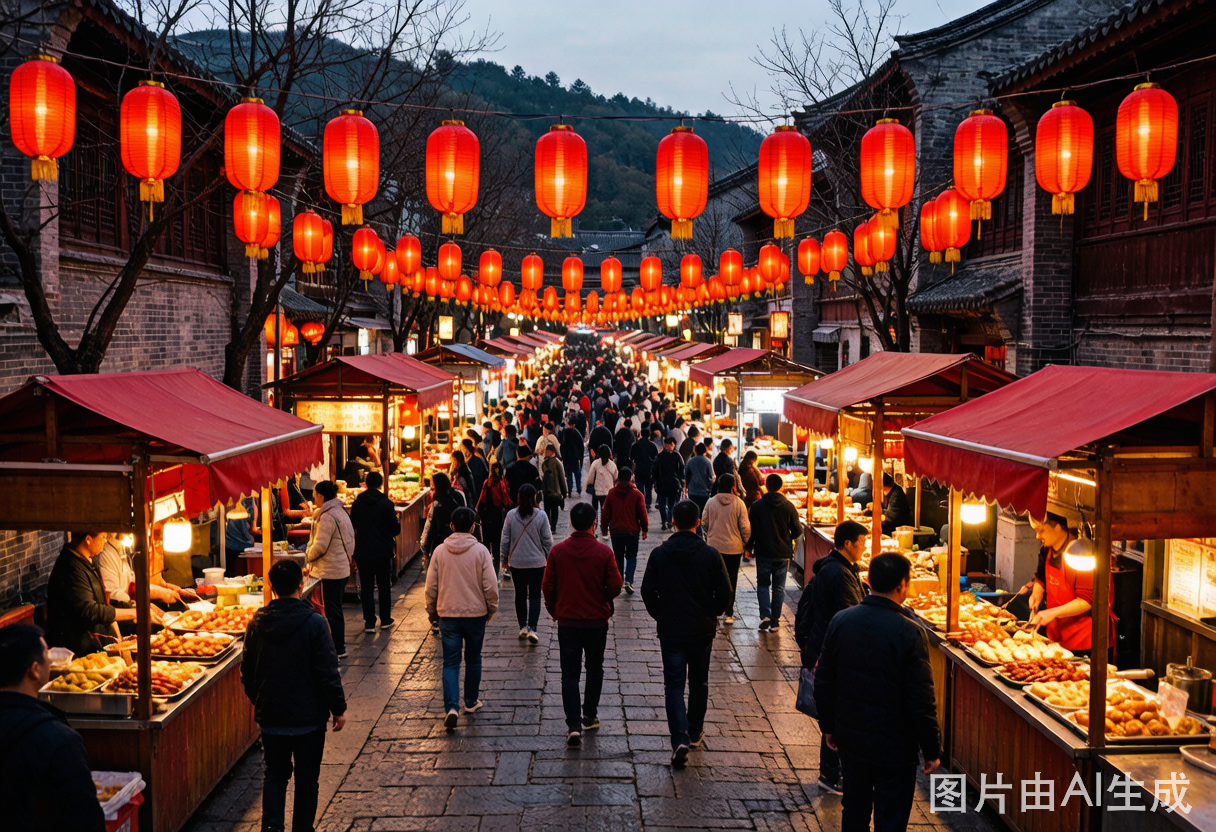
China's major cities — Beijing, Shanghai, Guangzhou, Chengdu — have excellent nightlife with millions of locals and tourists out late. In these areas, walking at night is generally safe. However:
- Major tourist areas (The Bund, Houhai, Tiananmen) are heavily patrolled and very safe even late
- Suburban or industrial areas at night — use common sense, take a Didi
- KTV and bar areas — watch your drink, as you would anywhere
- Police checks — carry your passport; police may ask to see it randomly, especially near sensitive areas
🎭 Common Scams & How to Avoid Them
While violent crime is rare, scams targeting tourists do exist. Here are the most common ones and how to handle them:
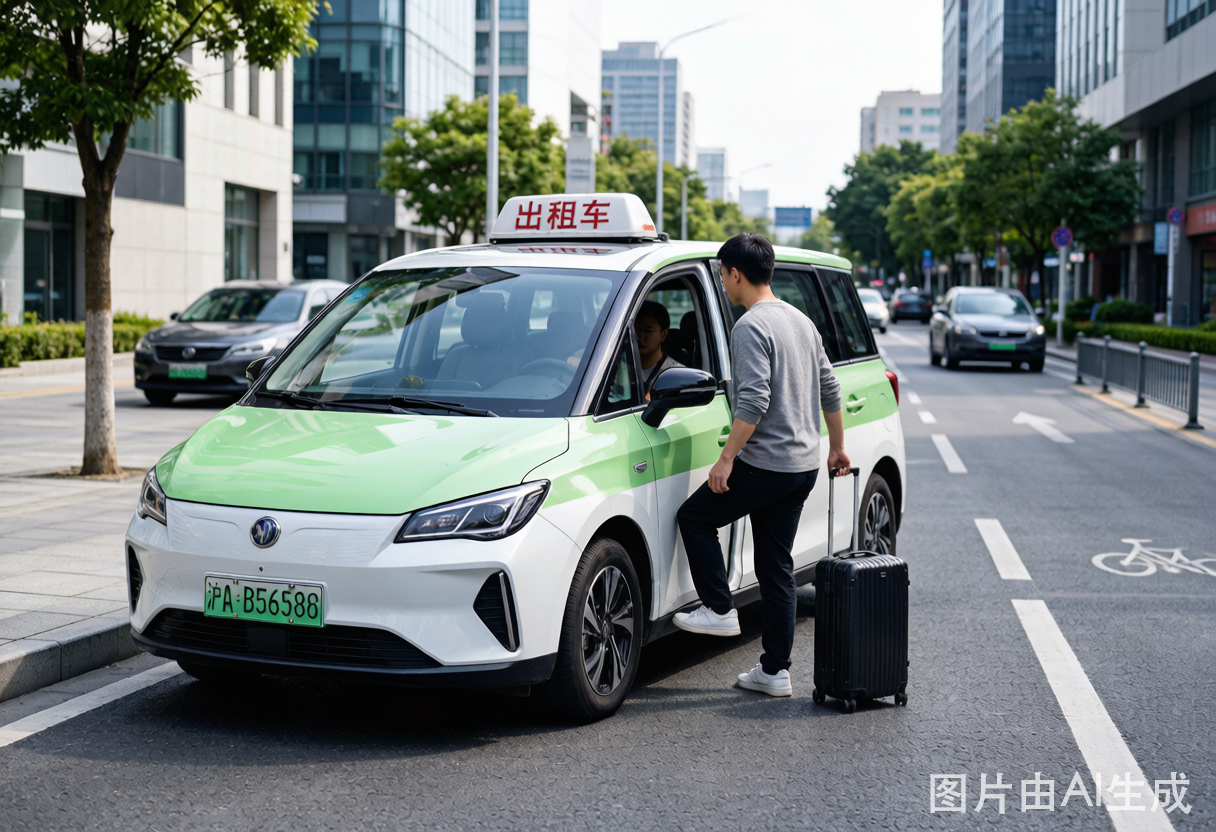
🚕 The Refused-Meter Taxi Scam
Taxi drivers at tourist sites may claim their meter is broken and quote a flat fee that's 3-5x the real price. Always insist on the meter or use Didi. If they refuse, get out and flag another one.
🏪 The Fake or Inflated Shop
Some shops near major attractions charge foreigners 5-10x the local price. Tea houses in Xi'an's Muslim Quarter and jade shops near the Great Wall are notorious. Know roughly what things cost, shop at large supermarkets (Walmart, Carrefour) for souvenirs, or use Taobao/Dianping to check prices.
🍵 The Teahouse Invitation
Someone approaches you outside a tourist site: "My friend owns a tea house nearby, would you like to try some tea for free?" You'll taste tea, have a pleasant conversation — then get a bill for ¥500-2,000. Politely decline any "free" invitations from strangers.
💃 The Bar Invite
Same pattern in Sanlitun (Beijing) or other nightlife areas: someone befriends you, suggests a bar, and the bill is outrageous. Stick to bars you researched, check prices online, and don't accept drinks from strangers.
📿 The Friendship Bracelet
At popular pedestrian streets, strangers — often from ethnic minorities — will put a friendship bracelet on your wrist and demand money. Don't accept anything from strangers you haven't invited.
🆘 Emergency Numbers in China
📞 Emergency Contacts
🚔 Police: 110
🚑 Ambulance: 120
🔥 Fire: 119
☎️ General Emergency: 122 (traffic)
🏥 Tourist Hotlines
12308: Overseas consular assistance (Ministry of Foreign Affairs)
12301: Tourism service hotline (for complaints)
Your embassy: Keep your embassy contact saved offline
⚠️ Important Note on Calling 110
Police in China take reports seriously and are generally responsive to foreign tourists. English-speaking operators may be limited on the emergency line. If possible, have a Chinese-speaking local call on your behalf or go directly to the nearest police station.
🗺️ Regional Safety Overview
Safety in China isn't uniform — it varies by region. Here's a practical breakdown:
🌊 Eastern & Coastal China (Shanghai, Hangzhou, Suzhou, etc.)
These are among the safest areas in the world. Low crime, excellent infrastructure, abundant English signage in tourist zones. Virtually no safety concerns for tourists.
🏯 Central China (Beijing, Xi'an, Chengdu)
Heavily touristed cities with excellent tourist police presence. Common tourist scams exist (see above), but violent crime is extremely rare. Follow standard urban precautions.
🌿 Yunnan Province
Yunnan is one of China's safest and most welcoming provinces for tourists. The local ethnic minorities are genuinely warm and hospitable. Crime is very low. Natural risks (earthquakes, mountainous terrain) are the main concerns — stick to marked trails and follow local advice.
🏔️ Tibet & Western Sichuan
Tibet is safe — heavily patrolled by police, with permit requirements for tourists. The presence of security forces actually contributes to tourist safety. Altitude sickness is the primary real risk, not crime.
Western Sichuan (Ganzi Tibetan area) is similar — stunning scenery, genuine Tibetan culture, very safe in terms of crime. Altitude is a genuine concern.
🗻 Xinjiang
Xinjiang has undergone significant security changes in recent years. The region is open to tourists, and major touristic areas (Urumqi, Turpan, Kashgar) are heavily patrolled. The local Uyghur population is largely welcoming. Security checks at train stations, markets, and highway entrances are routine — carry your passport. Avoid photographing military or police installations.
Some governments advise heightened caution for certain areas — check your foreign ministry's travel advisories before visiting.
🏭 Industrial & Northern Cities
Major cities like Shenzhen, Guangzhou, Tianjin are safe. Air quality in northern industrial cities (Shijiazhuang, Harbin in winter) can be a health concern — check AQI readings and wear a mask on high-pollution days.
🌋 Natural Disasters & Seasonal Risks
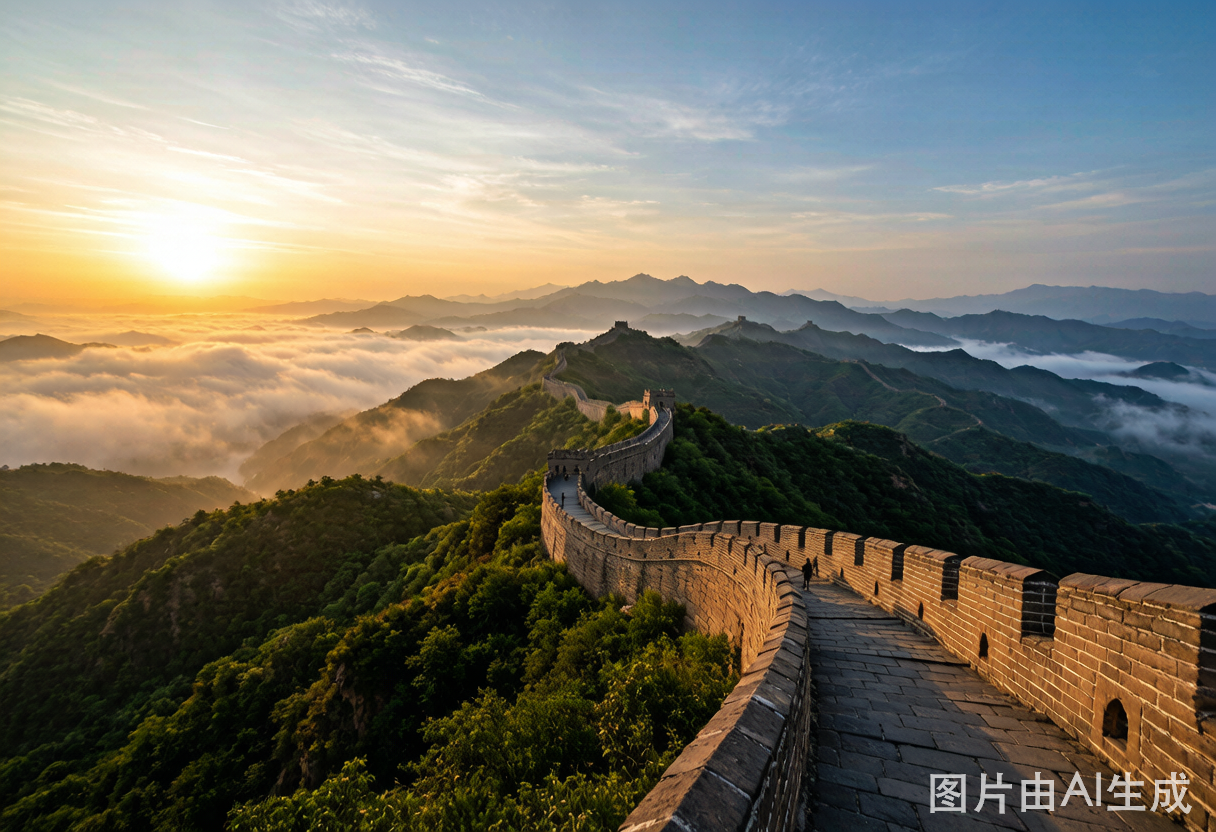
China's vast geography means regional natural risks vary significantly:
🌊 Flood Season (June-August)
Southern China (Guangdong, Guangxi, Fujian, Zhejiang) experiences heavy monsoon rains and flooding. Check weather forecasts. Avoid river valleys after heavy rainfall.
🌋 Earthquakes
Yunnan, Sichuan, Qinghai, and Tibet are in active seismic zones. If you feel an earthquake, get to open ground away from buildings.
🏔️ Typhoons (May-October)
Southeastern coast (Fujian, Guangdong, Hainan) is affected by typhoons. Monitor local weather. Flights and ferries may be cancelled.
❄️ Winter Cold
Northern China gets bitterly cold (-20°C in Harbin). Dress in layers, protect extremities, and be aware of icy roads if driving.
📋 Final Safety Checklist Before You Go
🎒 Pre-Departure Safety Checklist
- Travel insurance — Essential. Ensure it covers medical evacuation and trip interruption
- Register with your embassy — Smart Traveler Enrollment Program (US) or equivalent
- Copies of passport — Physical copy + digital copy in cloud storage
- Download a VPN — Before arrival (ExpressVPN, NordVPN, Astrill)
- Local SIM or eSIM — For reliable data and Didi access
- Hotel address in Chinese — Screenshot on your phone for taxis
- Emergency contacts saved offline — 110, 120, 119, plus your embassy number
- Download WeChat — Critical for communication, payments, and ride-hailing
- Share your itinerary with a trusted person back home
- Check AQI — Download an air quality app (e.g., AirVisual)
💬 FAQ: Common Safety Questions
Is China safer than Europe or the US?
By violent crime statistics, yes. Property crime (pickpocketing) is lower than in many European cities. Gun violence is virtually non-existent. However, "safe" doesn't mean "risk-free" — use normal precautions.
Is it safe to drink tap water in China?
No — tap water is not potable. Use bottled water or a filter bottle. Ice in drinks at reputable restaurants is generally fine as it's made from treated water.
Is food safe to eat in China?
Generally yes. Major cities have excellent food hygiene standards at restaurants. Street food in busy, popular stalls is usually safe — high turnover means fresh food. Use common sense: if it smells wrong or looks questionable, skip it.
Should I be worried about surveillance in China?
China has extensive surveillance systems in public areas. As a tourist, this doesn't affect your safety — in fact, it may contribute to it. Simply be aware that privacy norms differ, and your communications may be monitored if you use local networks.
Is it safe to use my phone/bank cards in China?
Contactless payment via WeChat Pay and Alipay is extremely secure. Using your foreign card at ATMs is generally safe but watch for skimmers. Notify your bank before traveling to prevent fraud blocks.
⚠️ The Bottom Line
China is genuinely one of the safer major travel destinations in the world. Millions of tourists visit every year without incident. The main "dangers" are petty scams (avoidable), food safety in rural areas (common sense), and natural risks in specific regions (preparation). Violent crime against tourists is rare enough to be national news when it occurs.
Go with open eyes, take standard urban precautions, and you'll find China to be a welcoming, fascinating, and — yes — very safe destination.